
Jacksonville Product Liability Lawyer
A product liability claim applies when a defective product injures you. Florida recognizes three defect types: a manufacturing defect, a design defect, and a failure to warn. You generally do not have to prove the manufacturer was careless — only that the product was defective and the defect caused your injury.
The three kinds of product defect
Manufacturing defect
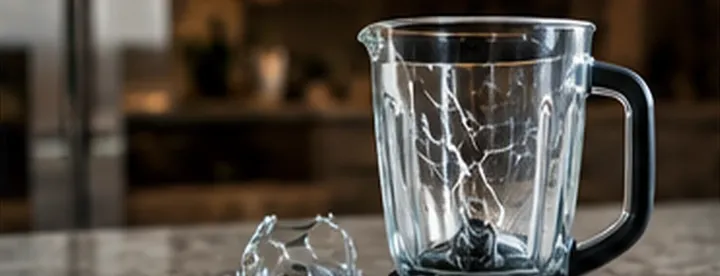
The design was sound, but this particular unit came off the line wrong — a weld that did not take, a contaminated batch, a missing fastener. The proof is comparative: this item differed from the manufacturer's own specification and from the others like it.
Design defect
Every unit is dangerous because the design itself is. These are harder and more expensive cases, typically requiring engineering testimony that a safer alternative design was feasible and economically practicable at the time of manufacture.
Failure to warn
The product carries a non-obvious risk that adequate instructions or warnings would have allowed the user to avoid. The question is not whether there was a warning — nearly everything carries warnings — but whether it adequately conveyed the specific risk to the people expected to use the product.
Who can be held responsible
Liability can extend along the chain of distribution: the manufacturer of the finished product, the maker of a defective component, and in certain circumstances distributors and retailers. Where the manufacturer is overseas, identifying a domestic entity that can actually be served and collected from becomes a central practical question.
Preserving the evidence
This deserves repeating because it is where these cases are most often lost before they begin. Do not repair the product. Do not return it to the store. Do not send it back to the manufacturer for "analysis." Manufacturers sometimes offer to collect a failed product for testing, and that offer should not be accepted without counsel and an agreed protocol — the product may come back altered, or not at all.
Preserve, in addition to the product itself:
- Original packaging, labels, and lot or serial numbers.
- The instruction manual and any inserted warnings.
- Proof of purchase and the purchase date.
- Any recall notice, and the model number as it appears on the product.
- Photographs of the product as it was immediately after the incident.
Common product cases
- Automotive components — airbags, seat belts, tires, braking and fuel systems.
- Lithium-ion batteries in e-bikes, scooters, and consumer electronics.
- Power tools and machinery with inadequate or defeated guarding.
- Household appliances that overheat or ignite.
- Children's products, furniture tip-overs, and nursery equipment.
- Recreational and exercise equipment that fails structurally.
A realistic word about these cases
Product liability is the most resource-intensive area on this page. A design defect case may require engineering experts, testing, and litigation against a manufacturer with substantial resources and no incentive to settle early. Donald will give you a straight assessment of whether a particular claim is economically viable, and if a case needs resources beyond what a solo practice should carry alone, he will tell you that rather than hold onto it. That candor is worth more to you than an optimistic sign-up.
Related pages
Frequently asked questions
- Do I have to prove the manufacturer was careless?
- Not under a strict liability theory. Florida permits a product liability claim based on the condition of the product itself: that it was defective and unreasonably dangerous when it left the manufacturer, and that the defect caused your injury. Negligence and breach of warranty are separate theories that are often pleaded alongside it.
- What should I do with the product that injured me?
- Keep it, and change nothing about it. Do not repair it, return it to the retailer, or let the manufacturer collect it without counsel involved. The product is the single most important piece of evidence in the case, and a claim can fail outright if it is altered or lost. Keep the packaging, manual and receipt too.
- Does a recall mean I automatically win?
- No, but it helps considerably. A recall is strong evidence that a defect existed, though you must still prove that the defect caused your specific injury. A claim can also succeed where no recall was ever issued.
Talk to Donald Metcalf directly
When you call this office, you are not routed to a case manager. Donald handles every case personally, start to finish.